

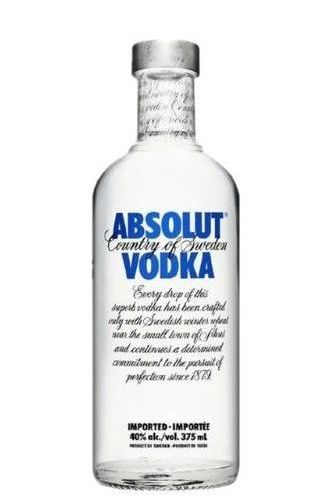
When choosing a base spirit for a cocktail, the difference between vodka and gin can completely change the character of the drink. Vodka is generally clean and neutral, allowing mixers, fruit, herbs, and syrups to take the lead. Gin, by contrast, brings botanical flavors such as juniper, citrus, spices, and herbs into the glass.
That makes the vodka vs gin question less about which spirit is universally better and more about what you want from a particular cocktail. A vodka-based drink can be crisp and understated, while a gin cocktail often has a more recognizable aromatic profile.
Understanding these differences makes it easier to choose the right spirit for classics such as the Martini, Gimlet, Negroni, Moscow Mule, Tom Collins, and Gin & Tonic.
Quick Answer: Vodka or Gin for Cocktails?
-
Vodka is usually the more neutral choice and works well when you want other ingredients to dominate.
-
Gin contributes strong botanical character, particularly juniper, citrus, herbs, and spices.
-
Vodka is commonly suited to drinks such as the Moscow Mule, Cosmopolitan, Bloody Mary, and Vodka Martini.
-
Gin is traditionally associated with cocktails such as the Gin & Tonic, Negroni, Tom Collins, Gimlet, and classic Martini.
-
The best choice depends on the cocktail recipe, preferred flavor profile, garnish, and balance of ingredients.
What Is the Difference Between Vodka and Gin?
Vodka and gin are both distilled spirits, but their flavor profiles are notably different.
Vodka is valued for its relatively neutral character. Depending on the production method and style, it can have subtle notes of grain, fruit, pepper, or sweetness, but it generally does not dominate a cocktail.
Gin is defined by botanical flavoring, with juniper being a fundamental characteristic of traditional gin. Other botanicals may include coriander, angelica root, citrus peel, cardamom, or various herbs and spices.
This distinction matters when building cocktails. Vodka can function almost like a blank canvas, while gin adds another layer of flavor.
For readers comparing bottles for home cocktails, Royal Spirit has a dedicated vodka collection and a separate gin collection, making it easier to compare the two categories by style and bottle.
Vodka vs Gin: Main Flavor Differences
The simplest way to understand vodka vs gin is to consider how much flavor the spirit contributes before any mixer or garnish is added.
|
Feature |
Vodka |
Gin |
|
General profile |
Clean and relatively neutral |
Botanical and aromatic |
|
Signature flavor |
Usually subtle |
Juniper-led in traditional styles |
|
Common supporting notes |
Grain, citrus, pepper or mild sweetness |
Citrus, herbs, spices, floral notes |
|
Cocktail role |
Lets other ingredients stand out |
Adds its own flavor structure |
|
Popular with |
Fruit, soda, ginger beer, tomato, coffee |
Tonic, vermouth, citrus, bitter aperitifs |
|
Ideal for |
Clean, adaptable cocktails |
Aromatic and botanical cocktails |
These are broad categories rather than strict rules. Vodka styles can have distinct character, and modern gins can range from strongly juniper-forward expressions to floral, citrus-led, spicy, or fruit-influenced styles.
Which Cocktails Work Better With Vodka?
Vodka is particularly useful when you want the cocktail's other ingredients to remain prominent.
Moscow Mule
A Moscow Mule combines vodka with ginger beer and lime. The relatively restrained spirit allows the spicy sweetness of ginger beer and fresh acidity of lime to remain central.
If you enjoy refreshing cocktails with a noticeable mixer and citrus character, vodka is a natural choice.
Cosmopolitan
The Cosmopolitan typically combines vodka with cranberry, citrus and orange liqueur. Here, vodka provides the alcoholic foundation without competing heavily with the fruit and citrus components.
A clean vodka works particularly well when the recipe is designed around bright, crisp flavors.
Bloody Mary
The Bloody Mary is another strong example of vodka's versatility. Tomato juice, lemon, spices, Worcestershire sauce, hot sauce, and other savory ingredients can create a complex drink while vodka provides a relatively understated spirit base.
Vodka Martini
A Vodka Martini demonstrates the spirit's cleaner profile. The drink typically combines vodka with dry vermouth, with the final character influenced by dilution, chilling, vermouth quantity, and garnish.
If you prefer a Martini with less botanical intensity than a traditional gin version, vodka can be an appropriate alternative.
Which Cocktails Work Better With Gin?
Gin is especially useful when the spirit itself is expected to contribute recognizable flavor.
Gin & Tonic
The Gin & Tonic is perhaps the clearest example. The tonic provides bitterness and carbonation, while gin contributes juniper and botanical aromas.
The choice of gin can noticeably change the final drink because different botanical recipes interact differently with tonic, citrus, herbs, and garnishes.
Negroni
The Negroni traditionally combines gin, Campari, and sweet vermouth. Each ingredient contributes substantial flavor, so gin's botanical profile becomes part of the cocktail's overall structure.
A citrus-forward or classic dry gin can produce a different impression from a more floral or contemporary style.
Tom Collins
The Tom Collins combines gin with lemon juice, sugar, and carbonated water. Gin's botanical notes work alongside the sharpness of lemon and the refreshing character of soda.
It is a useful example of how gin can remain noticeable without overpowering a relatively simple cocktail.
Gimlet
A Gimlet traditionally pairs gin with lime and sweetener. Because there are relatively few ingredients, the character of the gin can have a significant effect on the finished drink.
For this reason, the Gimlet is a good cocktail for comparing different gin styles.
How Does the Martini Change With Vodka or Gin?
The Martini is one of the clearest examples of how the base spirit changes a cocktail.
A Gin Martini generally has a more aromatic and botanical character because the gin contributes juniper, citrus, herbs, spices, or floral notes.
A Vodka Martini tends to emphasize the clean character of vodka, with vermouth and garnish playing a larger role in the overall flavor impression.
Neither approach has to be treated as a universal rule. The choice comes down to whether you want the base spirit's botanicals to be a major part of the drink.
Choosing Between Vodka and Gin for Different Cocktail Styles
A useful approach is to choose the spirit according to the dominant ingredients in the recipe.
Choose vodka when:
-
You want a clean and relatively neutral base.
-
The cocktail contains strong fruit flavors.
-
Ginger beer or soda is a major ingredient.
-
You want herbs, syrups, or other mixers to lead.
-
You prefer less botanical intensity.
Choose gin when:
-
You want noticeable botanical flavors.
-
Juniper works well with the other ingredients.
-
The drink contains tonic or dry vermouth.
-
Citrus, herbs, or bitter aperitifs are part of the recipe.
-
You want the base spirit to contribute aromatic complexity.
When comparing options, it can also help to consider the cocktail's other ingredients rather than judging a spirit by itself. A gin that tastes strongly herbal on its own may work beautifully with citrus, while a delicate gin may suit a lighter tonic.
Important Cocktail Terms to Understand
A few basic terms can make spirit and cocktail comparisons easier.
ABV
ABV means alcohol by volume. It indicates the percentage of alcohol in a beverage.
The ABV of the spirit is only one part of a cocktail's final strength because dilution from ice, mixers, and other ingredients also affects the finished drink.
Botanical
Botanicals are plant-based ingredients used to contribute aroma and flavor. Gin production commonly involves botanicals such as juniper, coriander, citrus peel, roots, spices, and herbs.
Dry Gin
Dry gin generally refers to a style where the spirit has a pronounced dry character and botanical profile. London Dry Gin is a specific regulated style rather than simply another name for every dry-tasting gin.
Dilution
Dilution occurs when water from melting ice becomes part of a cocktail. It can soften alcohol intensity and help integrate the flavors.
Garnish
A garnish can contribute more than appearance. Lemon peel, lime, cucumber, olives, herbs, and other garnishes can add aroma that changes the drinking experience.
Common Mistakes When Choosing a Cocktail Spirit
One common mistake is assuming that all vodka tastes exactly the same. While vodka is generally neutral compared with strongly flavored spirits, different products can still vary in texture, aroma, and subtle flavor.
Another mistake is assuming that every gin will work equally well in every gin cocktail. Botanical recipes differ significantly, so a strongly floral gin may produce a different result from a traditional London Dry.
It is also easy to overlook the role of dilution. A Martini stirred with ice, for example, will not taste the same as an undiluted mixture because chilling and dilution influence the balance.
Finally, don't choose a spirit solely because it is popular. Consider the actual cocktail recipe and the flavor profile you want.
Serving and Storage Tips
Both vodka and gin should generally be stored away from direct sunlight and excessive heat. A cool, stable environment helps protect the spirit's quality over time.
Once opened, keeping the bottle tightly sealed reduces unnecessary exposure to air. For cocktails, chilling the spirit, glassware, or ingredients where appropriate can also help create a cleaner and more balanced drink.
Serving temperature depends on the cocktail. A Gin & Tonic is normally enjoyed cold and refreshing, while stirred cocktails such as Martinis rely heavily on proper chilling and dilution.
For anyone exploring different spirit categories alongside cocktail ingredients, Royal Spirit's collections provide a broader view of the available categories.
Exploring Different Options for Home Cocktails
Once you understand the difference between vodka and gin, selecting bottles becomes more about matching the spirit to your preferred cocktail style.
For example, someone who frequently makes Moscow Mules, Cosmopolitans, or Bloody Marys may want to explore vodka styles, while a person who enjoys Negronis, Gimlets, Martinis, or Gin & Tonics may prefer comparing different gin profiles.
There is also no need to limit a home bar to one spirit. Keeping both categories available can provide greater flexibility when preparing cocktails for different tastes.
For readers who are comparing options through an online liquor store Dubai shoppers can review the spirit category first, then consider which bottles fit their preferred recipes rather than selecting solely by brand recognition. Royal Spirit's complete drinks range can also be useful when comparing different spirit categories.
Although vodka and gin are the focus here, cocktails are not limited to these two spirits. Whisky-based drinks, for example, have their own flavor structures and techniques. Readers interested in expanding their understanding of spirits can also explore whisky styles alongside vodka and gin.
Frequently Asked Questions
Is vodka or gin better for cocktails?
Neither is universally better. Vodka is generally better suited to cocktails where a clean, neutral spirit allows fruit, spices, soda, or other mixers to dominate. Gin is more suitable when botanical and juniper flavors are an important part of the drink.
Can vodka be substituted for gin in a cocktail?
Vodka can replace gin in some recipes, but the result will not taste identical. The substitution removes much of the botanical character supplied by gin. A Martini is a familiar example where changing from gin to vodka produces a noticeably different drink.
Which is more neutral, vodka or gin?
Vodka is generally more neutral. Its relatively restrained flavor profile allows other cocktail ingredients to take center stage. Gin, meanwhile, is intentionally flavored with botanicals, with juniper playing a defining role in traditional gin styles.
Why does gin taste different in different cocktails?
Gin contains multiple botanicals, and those flavors interact with other ingredients. Citrus, tonic, vermouth, herbs, bitters, and sweeteners can emphasize different parts of a gin's profile. The same bottle can therefore taste quite different across several cocktail recipes.
Is gin stronger than vodka?
Not necessarily. Strength depends on the individual bottle's ABV rather than whether the spirit is vodka or gin. Both categories contain products at different strengths, so the bottle's stated ABV should be checked when comparing them.
Which is better for a Martini: vodka or gin?
It depends on the preferred style. Gin creates a more botanical and aromatic Martini, while vodka produces a cleaner profile in which vermouth and garnish can become more prominent. The two versions are distinct rather than simply stronger or weaker versions of the same drink.
What vodka cocktails are easiest for beginners?
Simple highballs and mixed drinks are often approachable because they require relatively few ingredients. A Moscow Mule, vodka soda with citrus, or a simple fruit-forward vodka cocktail can be easier to balance than recipes requiring several liqueurs and bitters.
What gin cocktails are good for exploring botanical flavors?
Gin & Tonic, Gimlet, Tom Collins, and Martini are useful starting points because their recipes allow the character of the gin to remain noticeable. Comparing different gin styles in the same recipe can also demonstrate how botanical choices affect the final drink.
Conclusion
The vodka vs gin comparison becomes much easier when you focus on the role of the base spirit. Vodka generally provides a clean foundation that allows other ingredients to take the lead, while gin brings botanical depth and aroma into the cocktail.
For fruit-forward, spicy, refreshing, or mixer-led drinks, vodka can be a practical choice. For cocktails built around tonic, vermouth, citrus, herbs, or bitter aperitifs, gin can add another layer of flavor.
Understanding the recipe first is the simplest way to choose. If you're exploring options through an online liquor store Dubai, comparing spirit categories by cocktail style can help you make a more informed selection rather than choosing a bottle without considering how you plan to use it.
For readers in the UAE exploring spirits beyond vodka and gin, Royal Spirit's broader drinks range offers a way to compare different categories while keeping the focus on the styles and cocktails you actually enjoy.


